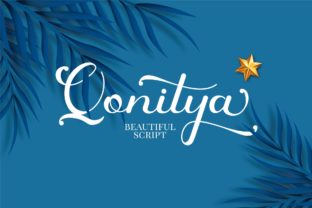
Qonitya: A Script Font for Elegant Design
As a designer working on a lifestyle blog redesign, I found myself searching for a font that could bring a sense of warmth and personality to the site’s header. After testing several options, Qonitya stood out—not just for its visual appeal, but for how it felt in use. As a script handwritten font, Qonitya blends fluidity with clarity, making it ideal for editorial design where mood and readability are equally important.
Qonitya for Wedding Invitations and Elegant Branding
For a wedding guide project, Qonitya proved to be a perfect match. Its flowing lines and elegant loops gave a soft, personal touch that felt right for a couple’s special day. Whether used in invitations, signage, or digital graphics, Qonitya adds a refined yet approachable tone. As a premium font, it offers enough variation through alternate characters to keep designs fresh without feeling repetitive.
The font’s versatility makes it suitable for branding materials like logos, stationery, and social media posts. When paired with a clean sans serif font, it creates a balanced look that feels both modern and timeless. For designers working on wedding-related content, Qonitya is more than just a font—it’s a tool for storytelling.
Qonitya for Blog Headers and Editorial Layouts
In an editorial layout, Qonitya shines as a display font. Its natural rhythm and expressive character make it ideal for headlines, pull quotes, and section titles. When used in a blog header, it adds a personal, handcrafted feel that can elevate the overall aesthetic of a publication.
One of the strengths of Qonitya is how it supports visual hierarchy. In a magazine spread or a digital article, it draws the eye without overwhelming the reader. The font’s legibility at larger sizes ensures that even in a busy layout, the message remains clear. For a lifestyle blog or a creative magazine, Qonitya helps establish a consistent brand voice while maintaining editorial appeal.
Qonitya for Printable Guides and Coaching Workbooks
When designing a printable planner or a coaching workbook, the choice of font plays a crucial role in user experience. Qonitya works well for headers, chapter openers, and decorative accents, adding a touch of elegance without sacrificing readability. Its handwritten style gives a personal, thoughtful feel that resonates with users looking for inspiration or structure.
However, it’s important to note that Qonitya may not be the best choice for long blocks of body text. While it’s beautiful in small doses, using it for extended reading can strain the eyes, especially on screens. For this reason, it’s best used as a complementary element rather than a primary text font.
Qonitya for Newsletter Graphics and Social Media Posts
For newsletter design, Qonitya offers a way to create visually engaging graphics that stand out. Whether used in a header, a callout box, or a featured quote, it adds a human touch that can make a brand feel more authentic. When paired with a simple serif or sans serif font, it creates a clean, professional look that works well across different platforms.
Social media graphics also benefit from Qonitya’s expressive nature. Its flowing lines and subtle variations make it ideal for creating eye-catching captions, banners, or promotional content. As a script handwritten font, it brings a sense of movement and creativity that can enhance the visual storytelling of a brand or individual creator.
Qonitya for Ebook Titles and Digital Magazines
When working on an ebook title or a digital magazine cover, Qonitya provides a stylish and sophisticated option. Its unique character set allows for customization, making it easy to create a distinct visual identity. Whether used in a recipe book, a course PDF, or a printable guide, it adds a level of polish that can elevate the entire design.
For creators who rely on fonts as part of their design assets, Qonitya is a valuable addition to any collection. It supports multiple languages and includes a range of weights and ligatures, making it adaptable to different design needs. Before using it in a commercial project, however, it’s wise to check licensing details to ensure compliance with font usage policies.